“I know of no way of judging of the future but by the past.”
― Patrick Henry
When politicians talk about small town America, this is what they mean. I’m also convinced few of them spend any substantial time in them. I may be a city girl at heart, but it’s kind of great to know that places like this actually still exist tucked away and plugging along much as they always have.
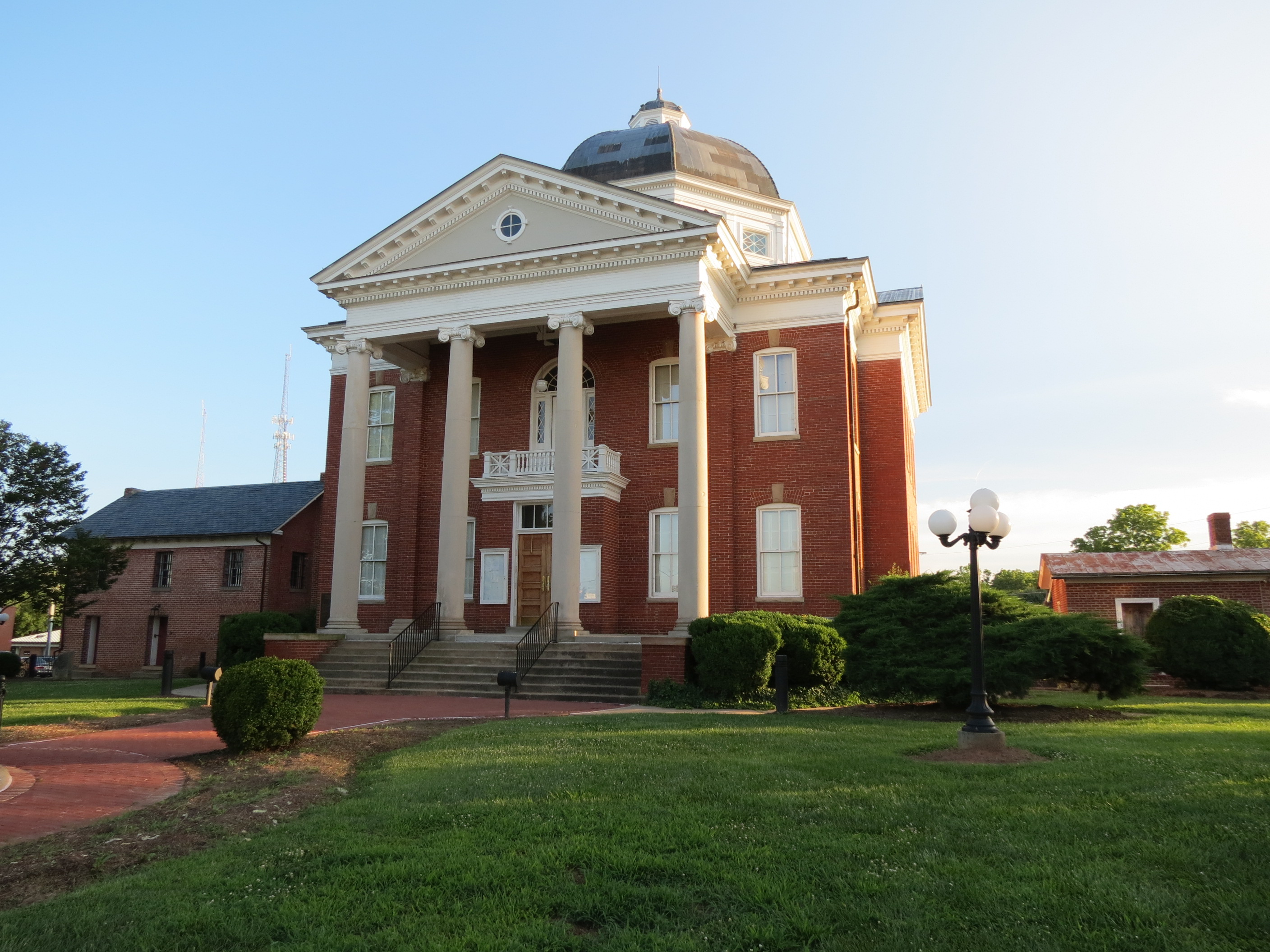
The historic courthouse and jail to the left. To this day, property auctions take place on the steps.
This courthouse is a bit later, but Louisa’s major claim to fame is that Patrick Henry began his law career here (his first big case was part of the lead up to the Revolution, when King George vetoed a Virginia law in question which the colonists saw as an overstep into their legislative authority. The rest is, extremely well recorded, history). Later he was elected to the Virginia House of Burgesses to represent the county, where he kicked off his political one.
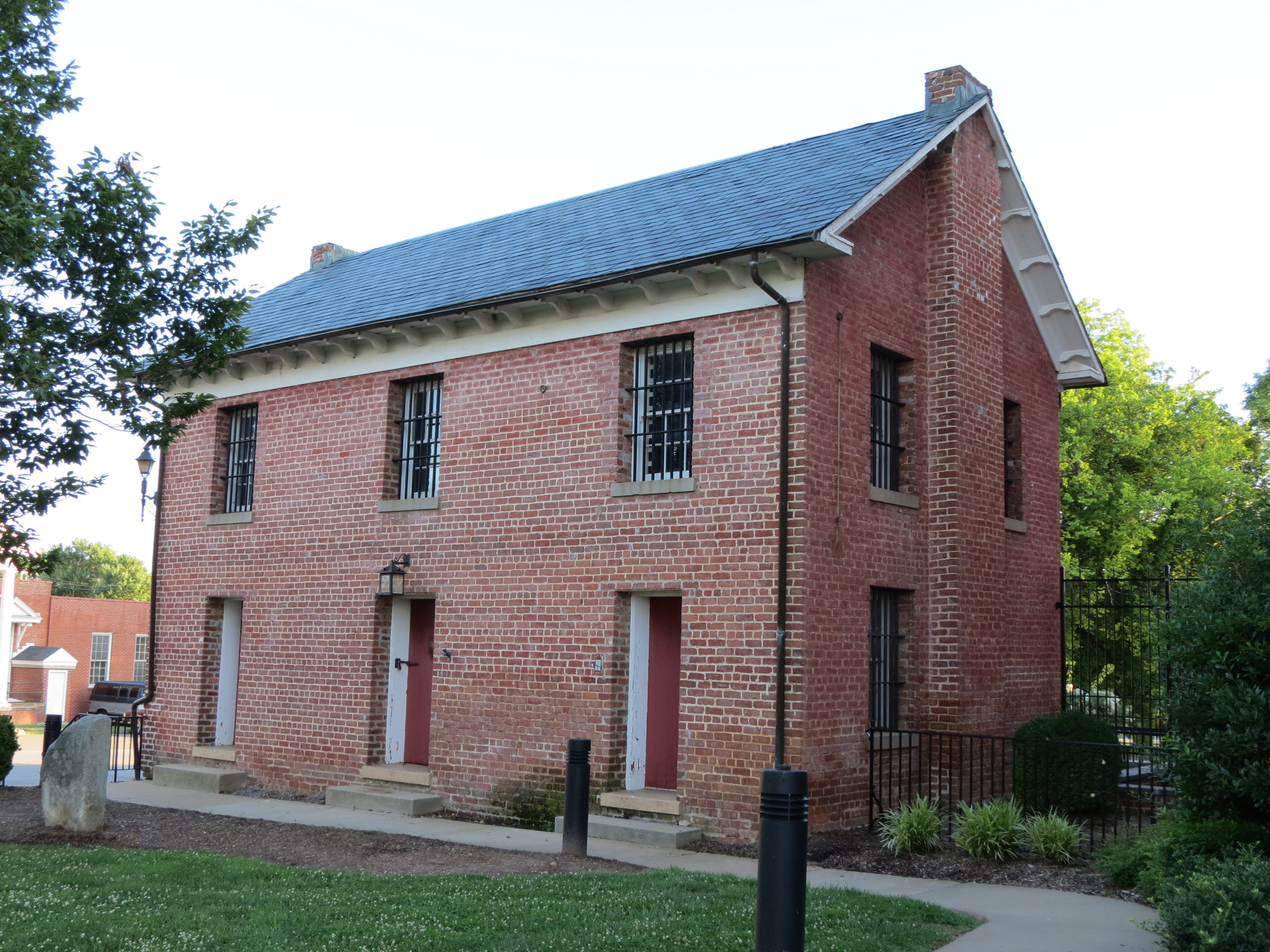
The jailhouse which operated into the early 20th century and was apparently ranked as one of the worst in the country – because in its long history, it wasn’t renovated in any significant way. Rustic charm is all well and good, but not when you’re locked up, apparently. It’s a pretty good representation of 19th century local justice.

Typical local hours. Very few things can afford to be open all day, every day around here.
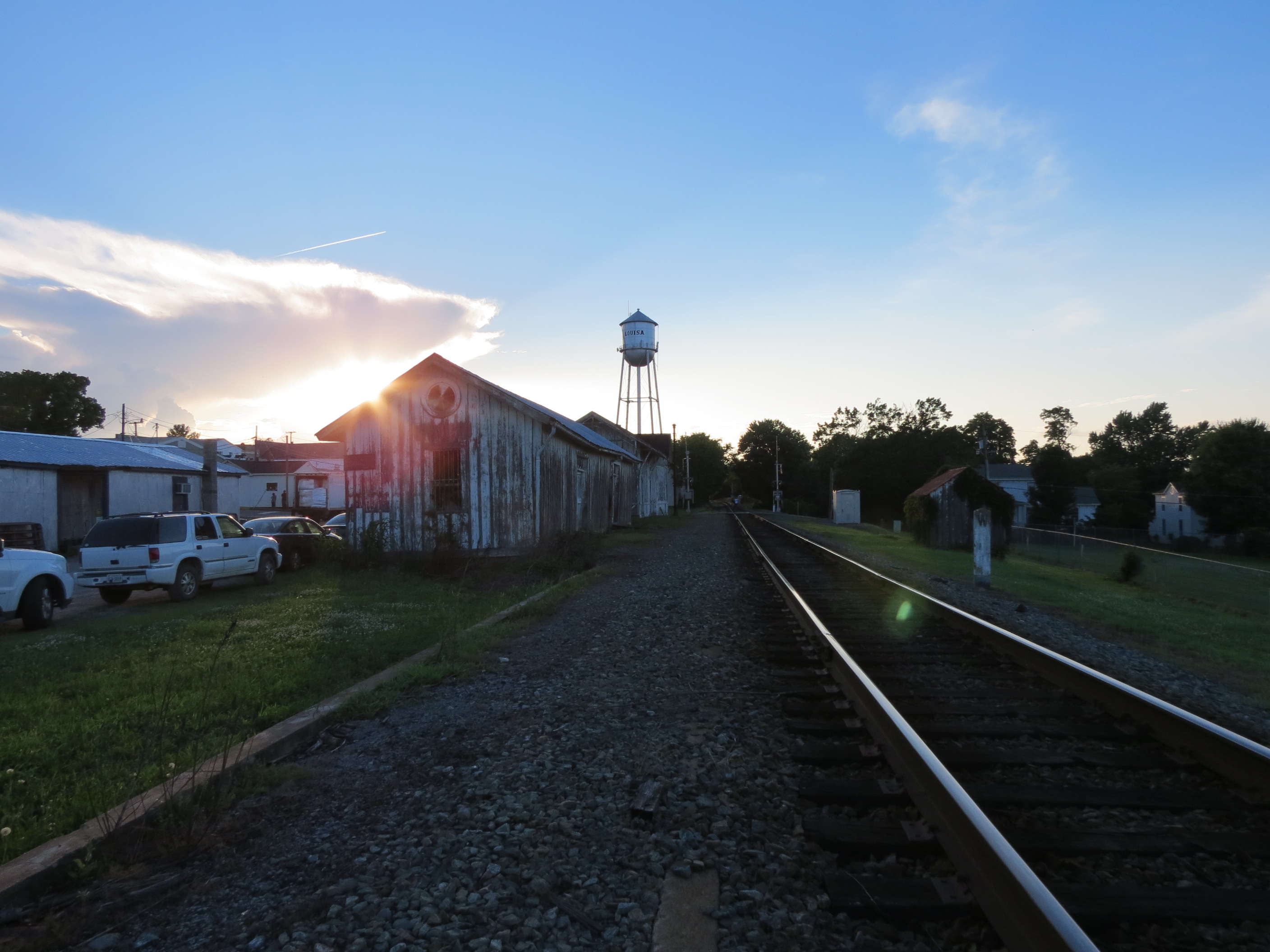
During the Civil War, the railroad was a major Confederate supply line, meaning that battles were fought all over the place. The railroad was also supposed to bring a degree of prosperity that, unfortunately, didn’t really make it into the 20th century. The rail station on the left has beautifully worked gables and was clearly once quite nice, but now it’s boarded up and empty except when the local feed store uses it for storage.

 Small Dog Syndrome
One thought on “Louisa”