“History: gossip well-told.”
– Elbert Hubbard
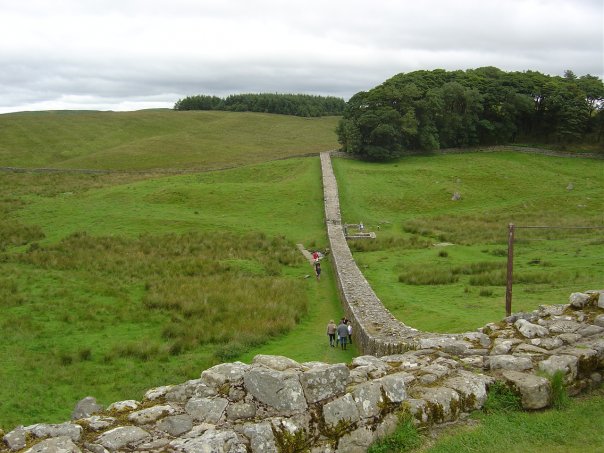
In case you forgot, I love history. I find it fascinating. I joyfully memorized dates in school and wrote fantastic papers. Not that I had a hope or prayer of doing otherwise – my family’s library is a massive thing divided into Theology, my father’s collection of Modern Library first editions, classics, children/young adult literature, and history with an emphasis in the development of Western Culture. Our family vacations are not to theme parks as much as hiking Hadrian’s Wall, Normandy, Colonial Williamsburg, museums, castles, palaces, and ruins (true story about how all four kids, aged 20, 14, 12, and 10 climbed all over a Roman fort that was partially submerged in a stream looking for the carved symbols hidden at the base meant to protect it – which may or may not have been relief carvings of genitalia – because it was something we had never seen before in our many adventures in various Roman piles of rocks) . We are DORKS.
 And everyone knows the best way to grow a dork is to start young! Ergo I bring you, Horrible Histories: a humorous, outrageous, and engrossing (emphasis on the “gross”) medium for bringing history to the masses. “It’s history, with all the horrible bits left in.” Timelines, explanations, and facts interspersed with tidbits of the unusual, gory, or just plain bizarre. And Britishly funny!
 Titles such as The Savage Stone Age (Horrible Histories)


It’s history, almost as if told by Monty Python. Oh, I own that too.
Terry Jones’ Medieval Lives




 I eventually decided on chronology, starting with Homer, Virgil, and Beowulf (remember how I majored in European Studies with an emphasis on literary history?…) working my way through Geoffrey of Monmouth, Dante, and Petrarch, and got on rather well until I butted into the sixteenth century. I stared down at my copy of The Other Boleyn Girl and then frowned at the space it should go for a while before setting it down in a new pile. I could not, in good conscious, wedge it between Sir Thomas More and John Donne. I didn’t even get a full century ahead of that before I ground to a halt again. Rousseau, Voltaire, Manon Lescaut, Les Liaisons Dangereuses, and…The Scarlet Pimpernel? Hm, a better fit than the Boleyn Girl, but still didn’t seem quite right.
  Small Dog Syndrome